⊛ learn · lesson 11
natural or synthetic
where each smell really comes from
a word about origin.
natural and synthetic tell you where a material comes from. they don't tell you how safe it is.

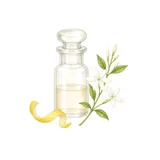
where does it come from?
tap a note.
natural is not the same as gentle.
an eu scientific committee named 82 established contact allergens among fragrance materials: 54 single chemicals and 28 natural extracts, among them rose oil and jasmine. europe's banned list holds lab-made materials and parts of moss extracts too. the list is about what a material does, wherever it was made.
so which is better?
we found no serious source that gives a rule. an eu safety opinion says natural extracts stay in use partly because a complex mix is hard to rebuild in the lab. and a 1999 traffic report suggested lab-made musk, among other options, to ease the pressure on wild deer.
sources
- IFRA · this is a fragrance
- US FDA · homemade cosmetics fact sheet
- EU Scientific Committee on Consumer Safety · opinion on fragrance allergens, 2012
- Gerasimova et al. · Molecules 2024
- PROSEA Handbook 19 · Jasminum grandiflorum
- Navarra et al. · Frontiers in Pharmacology 2015
- Agarwood, the fragrant molecules of a wounded tree · Molecules 2022
- TRAFFIC · Heart of the Matter, 2000
- University of Bristol · molecule of the month, vanillin
- D'Arrigo et al. · Molecules 2024
- Lončarić et al. · Biomolecules 2020
- Stepanyuk & Kirschning · Beilstein J Org Chem 2019
- TRAFFIC · On the Scent, 1999
- University of Bristol · molecule of the month, muscone
- Regulation 338/97 · CITES species annex
- Natural History Museum · what is ambergris?
- Aloum et al. · Molecules 2020
- Aeon · Catherine Maxwell, a triumph over nature
- Anonis · Perfumer & Flavorist 1986/87
- Firmenich · patent US11530367
- dsm-firmenich · Calone
- University of Bristol · molecule of the month, hedione
- dsm-firmenich · Hedione
- Regulation (EC) 1223/2009 · consolidated text of 18 May 2026