⊛ learn · lesson 8
a short history
from a clay tablet to today
a recipe on clay.
a clay tablet found in the city of assur, in today's iraq, is more than 3,000 years old. it holds a recipe for scented oil and credits a woman perfumer, tappūtī.
from that tablet to today.
tap a date.
the lab moves in.
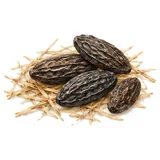
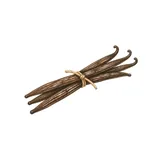
in 1868 and 1874, chemists made coumarin and vanillin in the lab. by the 1880s, coumarin stood at the centre of a perfume.
a town of gloves.
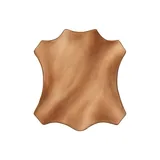
grasse was a leather town first. scent was used to soften the smell of tanned hides, its glove makers and perfumers won their own statutes in the 1720s, and during the 1700s perfume took over.
lovely, and not proven.
the queen behind hungary water. catherine de' medici bringing scented gloves to grasse. good stories, but historians find little or no evidence for them, so they are not on our timeline.
sources
- Escobar · Women in the History of Science, UCL Press 2023
- World Sensorium · Tapputi, the oldest perfumer on record
- Inoue · al-Kindi's perfume book, Orient 52 (2017)
- al-Hassan · al-Kindi and distillation
- Madame de Sévigné · letter of 8 January 1676
- Encyclopedia of Smell History · Hungary water
- Neue Deutsche Biographie · Farina
- Science Museum Group · Johann Maria Farina
- Ville de Grasse · fiche patrimoine n°3
- Musée du Parfum · from tanners to perfumers
- Stepanyuk & Kirschning · Beilstein J Org Chem 2019
- Osmothèque · tonka and coumarin
- Ciriminna et al. · ChemistryOpen 2019
- University of Bristol · molecule of the month, vanillin
- Sensoria museum, Holzminden · history
- The Perfume Society · fougère
- Aeon · Catherine Maxwell, a triumph over nature
- The Conversation · Chanel N°5, 100 years on
- The Conversation · Chanel and Ernest Beaux
- IFRA · about
- Osmothèque · about
- The Fragrance Foundation · Olivier Cresp
- Encyclopedia of Smell History · gourmand
- UNESCO · perfume skills in the Pays de Grasse
- UNESCO · decision 13.COM 10.B.14
- Nez · leather and perfume